Cameron Simon · 16 October 2026
The Intersection of Traditional Craft Principles and Modern Digital Carving Technologies in Artistic Education
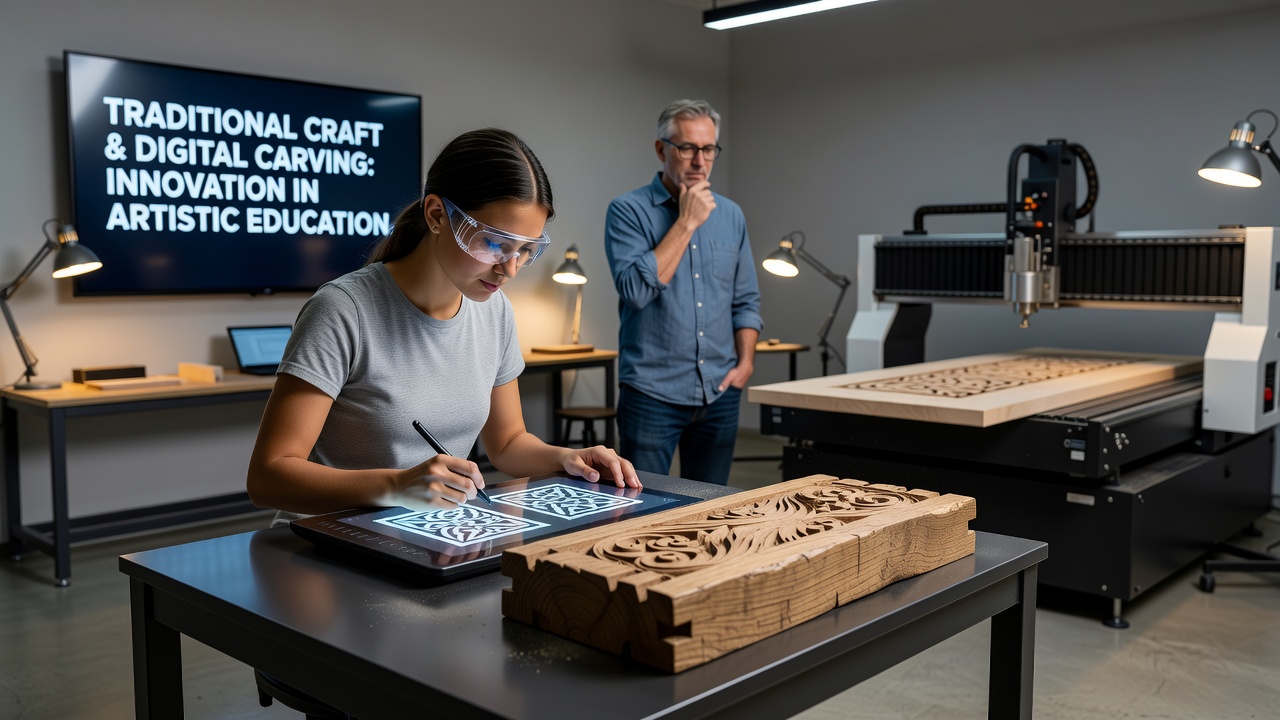
Artistic education programs across multiple continents have incorporated both hand-carving techniques and computer-controlled equipment for several decades, and observers note that this combination allows students to explore material properties while learning precision methods that emerged from industrial applications. Research indicates that institutions began integrating digital tools such as CNC routers and laser cutters into sculpture curricula during the early 2000s, yet many programs continue to emphasize foundational skills like understanding wood grain direction and maintaining consistent bevel angles on chisels.
Core Elements of Traditional Carving Instruction
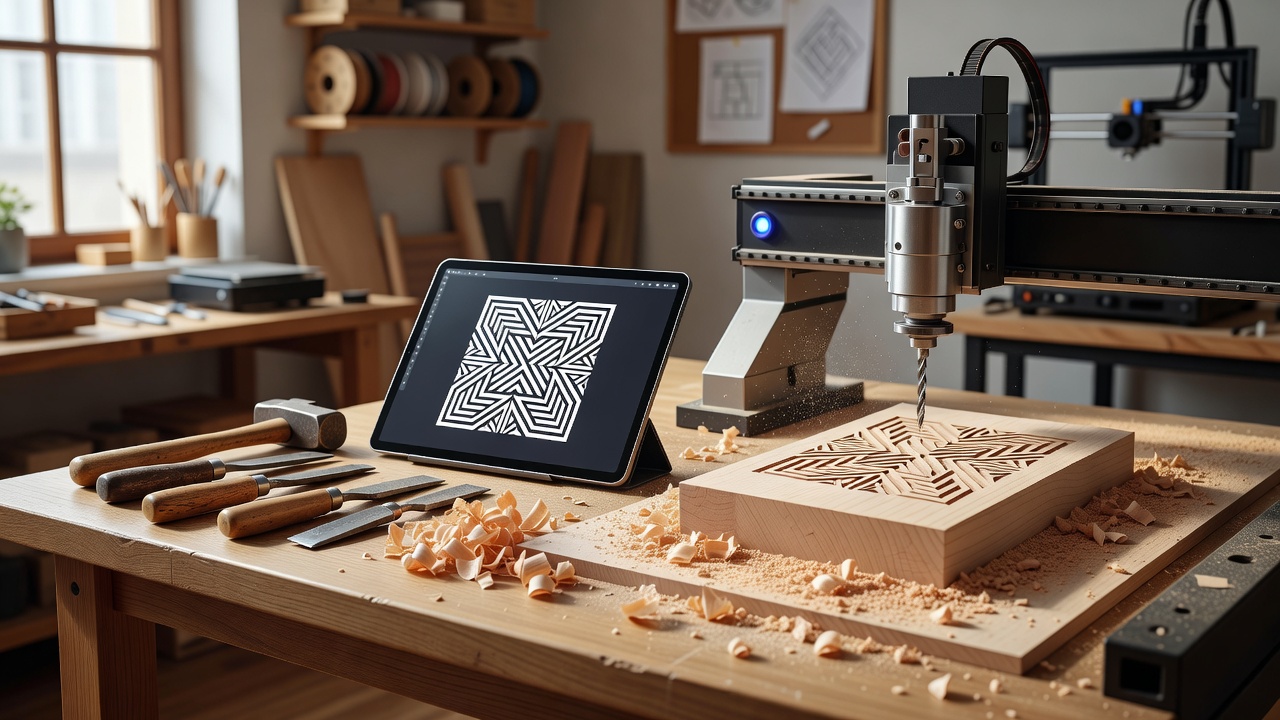
Traditional carving education focuses on tactile feedback and sequential decision-making, where learners first practice with mallets and gouges to develop muscle memory before advancing to relief work or in-the-round forms, and data from arts training surveys shows that students who master these steps often achieve better control when they later operate automated machinery. Programs typically cover topics such as selecting appropriate timber species based on hardness ratings, applying layout techniques with dividers and templates, and refining surfaces through progressive sanding stages that remove tool marks without altering the intended contours.
Digital Carving Technologies in Contemporary Studios
Modern equipment includes 3D scanning devices that capture physical models into editable software files, followed by toolpath generation for multi-axis mills that execute cuts with repeatability measured in fractions of a millimeter, adn studies from technical universities reveal that these systems reduce material waste by up to 30 percent compared with purely manual approaches when used for prototyping large-scale installations. Students learn file preparation in programs like Rhino or Fusion 360, then calibrate feed rates and spindle speeds to match material density, which connects directly to older knowledge about how different woods respond to cutting forces.
One notable development involves hybrid workflows where initial roughing occurs on a CNC machine and finishing passes remain under hand control, allowing educators to demonstrate how digital output serves as a starting point rather than a final product. Figures from arts education reports indicate that enrollment in such combined courses has increased steadily since 2018, particularly in regions where vocational training centers partner with universities to share access to expensive machinery.
Educational Integration Strategies Observed in 2026
By October 2026, several North American and European institutions have scheduled joint workshops that pair apprentices from traditional guilds with digital fabrication labs, and according to resources from the National Endowment for the Arts these collaborations highlight measurable improvements in spatial reasoning scores among participants. Curriculum designers structure modules so that learners first replicate historical motifs using only hand tools, then recreate the same designs through parametric modeling to compare outcomes in terms of surface texture and structural integrity.
Assessment methods now often include documentation of process decisions, requiring students to record why they chose a particular digital offset distance or elected to refine an edge by hand instead of programming an additional pass. Data compiled by the Canada Council for the Arts shows that graduates from these integrated programs report higher rates of employment in both heritage restoration firms and technology-driven design studios.
Conclusion
The ongoing evolution of artistic education demonstrates that traditional craft principles supply essential context for operating digital carving technologies, while the latter expand the scale and precision possible within student projects. Institutions continue to refine these intersections through shared facilities and cross-disciplinary faculty, resulting in graduates equipped to navigate both manual and automated production environments.